
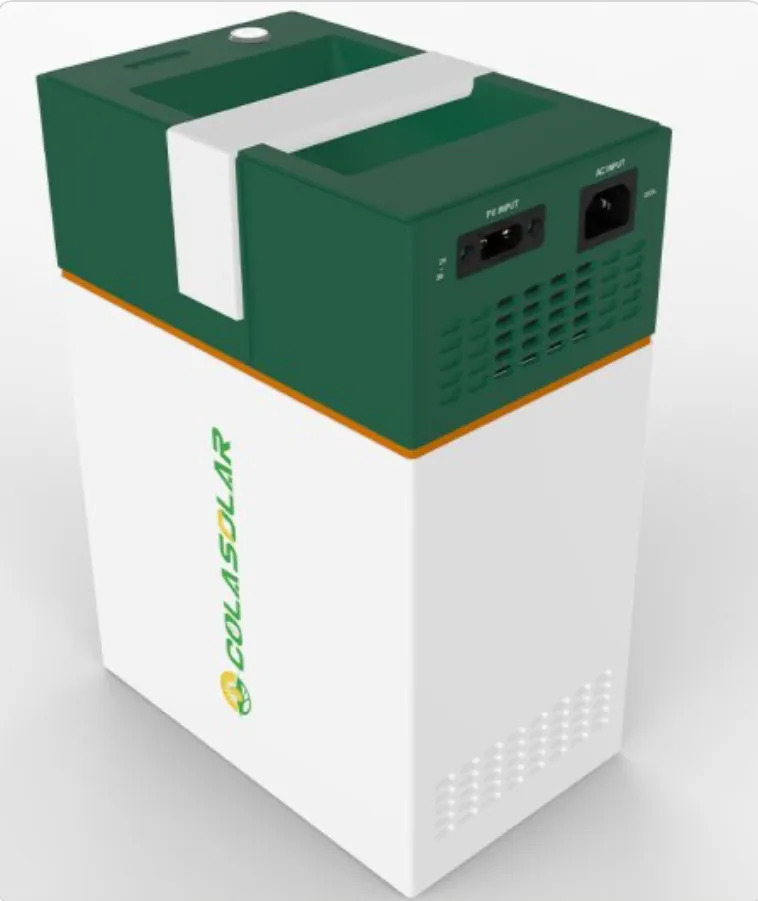
In Nigeria, the quest for a stable power supply is a journey every household and business owner understands all too well. From the constant hum of “I-pass-my-neighbor” generators to the rising costs of petrol and diesel, the energy landscape has become increasingly expensive and noisy. However, a new player has been making waves in the market this time, not within the petrol generator market: the COLA Solar Generator. If you are looking for a way to break free from the shackles of the national grid (NEPA/PHCN) and the recurring expenses of fuel-based generators, this comprehensive review is indeed for you. We will dive deep into the specifications, costs in Nigeria, and why a COLA solar generator might just be a better investment than a traditional, fixed solar installation for your specific needs.
What is a COLA Solar Generator?
The COLA Solar Generator is an all-in-one portable power station designed to provide clean, silent, and renewable energy. Unlike traditional generators that use internal combustion engines to burn fuel, the COLA system uses advanced LiFePO4 (Lithium Iron Phosphate) battery technology to store energy gathered from solar panels or the utility grid. The “all-in-one” nature means the inverter, battery, charge controller, and various output ports are all housed within a single, sleek unit. This design eliminates the complexity of traditional solar setups, where you have to buy and wire separate components.
Deep Dive: Specifications of COLA Solar Generator Models.
COLA offers a range of models tailored to different energy needs, from basic home lighting to powering heavy appliances. Below is a breakdown of the most popular models available in Nigeria today.
1. COLA 1000 & 1000 Pro (The Entry-Level Powerhouse)The COLA 1000 series is designed for users who need to power essential electronics during blackouts.
Battery Capacity: 1,000Wh (1kWh)Output Power: 200W to 300W (depending on the specific Pro version)Battery Type: LiFePO4 (rated for over 3,000–10,000 cycles)Ideal For: Laptops, 32-43 inch LED TVs, standing fans, WiFi routers, and phone charging.
Charging Options: Supports 220V AC wall charging and DC solar charging (up to 250W max).
2. COLA 2kWh All-in-One System.
This is a mid-range monster designed for more demanding households. It offers a significant jump in both storage and output.
Battery Capacity: 2,000Wh (2kWh)Output Power: 1,000W Pure Sine Wave Inputs: 800W AC input for fast grid charging; 450W DC input for solar.Special Features: Often comes with a wall-mount option to save space.Ideal For: Refrigerators (small/medium), multiple fans, home theater systems, and office workstations.
3. COLA 3600 Plus (The Off-Grid Beast)For those who want near-total independence, the 3600 Plus is the flagship model.
Battery Capacity: 3,600Wh (3.6kWh)Output Power: 2,200W (Surge capability for high-start loads)Chemistry: High-grade LFP (Lithium Ferro-Phosphate)Ideal For: Pumping machines, deep freezers, large screen TVs, and small air conditioners (inverter type).
Cost of COLA Solar Generators in Nigeria (2026 Prices)Pricing in Nigeria is often influenced by the exchange rate and shipping logistics. However, based on current market data for 2026, here are the estimated price ranges you should expect to pay at major retailers like Jumia, Solar Depot, or authorized distributors in Lagos, Abuja, and Port Harcourt.
Model Estimated Price (Naira)What’s Included?
COLA 1000 (Basic)₦320,000 – ₦380,000Unit + AC Cable
COLA 1000 Pro Kit₦440,000 – ₦500,000Unit + 200W Solar Panel
COLA 2kWh System₦665,000 – ₦785,000 Unit + Free 350W Panel (often bundled)
COLA 2kWh Premium Kit₦940,000 – ₦1,200,000Unit + 2x 350W Panels + Warranty Extension
COLA 3600 Plus₦1,800,000 – ₦2,500,000High-capacity unit (Panel bundles vary)
Note: Prices may fluctuate slightly based on the retailer’s warranty offers (often 2 to 5 years) and delivery costs.
Solar Generator vs. Proper Solar Setup: Which is Better?
A “proper” or traditional solar setup involves mounting panels on the roof, installing a separate inverter on the wall, and connecting a bank of deep-cycle or lithium batteries. Here is why the COLA Solar Generator might be the superior choice for many Nigerians.
1. Portability and Flexibility: A traditional setup is permanent. Once installed, you can’t take it with you if you move out of a rented apartment. A COLA Solar Generator is portable. If you relocate, you simply unplug it and carry it to your new home. This makes it the perfect “tenant-friendly” solar solution.
2. Zero Installation Costs. Traditional solar systems require professional installers, which can cost anywhere from ₦50,000 to ₦200,000 in labor and wiring materials. The COLA system is plug-and-play. You don’t need a technician to set it up; just plug in your solar panel and start powering your home.
3. Space Optimization. In urban areas like Lagos, space is a luxury. Traditional battery banks and inverters take up a lot of wall and floor space. The COLA 2kWh model is specifically designed to be compact and can even be wall-mounted without the messy cables associated with DIY setups.
4. Safety and Reliability. Since the COLA systems are factory-integrated, there is a lower risk of “matching errors” (e.g., using a charge controller that isn’t compatible with your battery). The built-in Battery Management System (BMS) protects against overcharging, short circuits, and overheating.
Advantages of Choosing COLA Over Petrol Generators:
Silent Operation: You can finally enjoy your sleep without the “rattling” noise of a generator.
Zero Fuel Costs:
Sunlight is free. While the initial investment is higher, you save hundreds of thousands of Naira annually on petrol/diesel and engine oil.
Indoor Use: Since there are no toxic carbon monoxide fumes, you can keep the COLA unit right in your bedroom or living room.
Minimal Maintenance: There are no spark plugs to change or carburetors to clean. Just keep the unit dust-free and ensure the solar panels are wiped clean occasionally.
Is It Worth the Investment?
The COLA Solar Generator is ideal for:
Remote Workers: Ensuring your laptop and router never go off.
Small Business Owners: Powering clippers, sewing machines, or office lights.
Students: A reliable way to study at night without relying on “NEPA.”While a 3.6kWh unit might seem expensive, the COLA 1000 offers an affordable entry point into the world of renewable energy for under ₦400,000—a price comparable to a high-end petrol generator but with much lower long-term costs.