
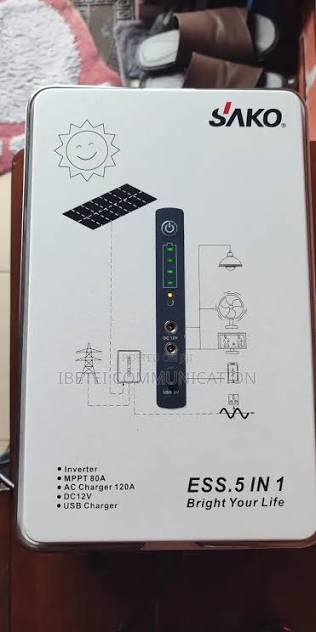
If you have spent any time shopping for backup power in Nigeria, you have probably run into the Sako name. It shows up in solar inverter shops, on Alibaba listings, and increasingly inside the all-in-one “solar generator” boxes that homeowners, students, and small business owners are buying to dodge fuel costs and noisy generators.
This article unpacks the Sako solar generator lineup the way you would if the box just arrived at your door: what’s inside, what each model can actually power, what it costs, and where it falls short. No fluff, no recycled spec sheets — just a straight comparison to help you decide if a Sako unit deserves a spot in your home.
Who Is Sako, Anyway?
Sako (full name Shenzhen Sako Solar Co., Ltd, also marketed as Sako Power) is a Chinese manufacturer that designs off-grid and hybrid solar inverters, LiFePO4 lithium battery packs, solar PV modules, and home energy storage systems. The company positions itself as a long-running player in the off-grid solar space, and its products are distributed across Africa, the Middle East, and Southeast Asia through regional dealers rather than direct flagship stores — which is part of why pricing and packaging can vary depending on where you buy.
Sako’s catalog splits roughly into two product families that people often lump together under “solar generator”:
Alpha ESS All-in-One series — compact, plug-and-play portable power stations (the closest thing to what most people picture when they hear “solar generator”).
Sunon / Sunon Pro / Sunpolo inverter systems — larger off-grid and hybrid inverters (1kVA to 11kVA) meant to be wired into a home’s electrical panel alongside a separate battery bank.
This guide focuses mainly on the portable Alpha ESS line and Sako’s bigger 3kW portable unit, since that’s what most buyers searching for a “Sako solar generator” actually want — with a shorter look at the whole-home inverter range for context.
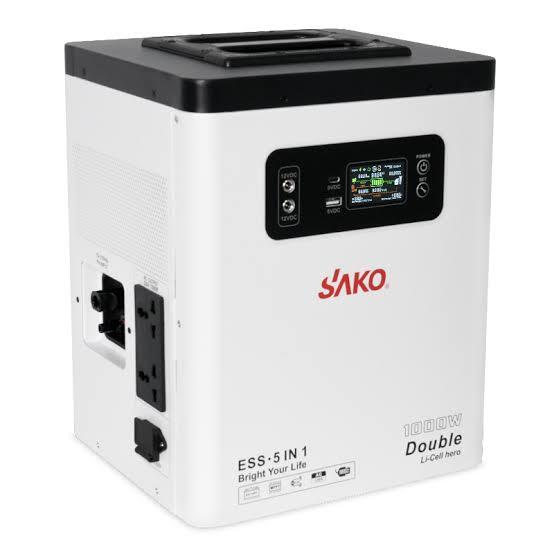
What’s in the Box
Unboxing a Sako Alpha ESS unit is refreshingly simple compared to a full inverter installation. Inside you’ll typically find:
The all-in-one power station (battery + inverter + charge controller built into a single casing)
An AC charging cable
A basic user manual / quick-start guide
Mounting or carry handles, depending on the model
The larger Sunon-series inverters ship differently, since they’re designed for installers rather than plug-and-play use — expect the inverter unit, an English instruction booklet, a communication cable, and a USB cable for firmware or monitoring access.
Sako Solar Generator Capacities and Specifications
Here’s how the core lineup breaks down by power output, battery capacity, and chemistry.
| Model | Inverter Output | BatteryCapacity | Battery Type | Charging Input | Best For |
| Alfa ESS 300W | 1kWh 300W | 1kWh | LiFePO4 | 300w solar/AC | phone,lights |
| Alfa ESS 500W | 1kWh 500W | 1KWh | LiFePO4 | Solar MPPT+AC | Laptops,Tv, small fridge |
| Alfa ESS 1000W | 2kWh 10000W | 2kWh | LiFePO4 | AC/Up to 1500w Solar | Multiple Appliances, small office |
3kW Portable Power Station3000W (pure sine wave)5kWhLiFePO4Up to 1500W solar / ACWhole-room backup, camping, light commercialSunon / Sunon Pro (hybrid inverter range)1kVA–11kVADepends on external battery bankLiFePO4 / lead-acid compatibleSolar + utility + generatorWhole-home off-grid or hybrid systems
A few technical details worth knowing across the range:
Battery chemistry: Every Alpha ESS and the 3kW unit uses LiFePO4 (lithium iron phosphate), which is safer and longer-lasting than the lead-acid batteries found in cheaper “solar generators.” Sako advertises battery lifespans in the thousands of charge cycles on its larger units.
Output waveform: Pure sine wave output across the board, which matters if you’re running sensitive electronics, laptops, or medical devices.
Charge controller: Built-in MPPT (Maximum Power Point Tracking) controllers, which squeeze more usable energy out of attached solar panels compared to older PWM controllers.
Protection: A built-in Battery Management System (BMS) guards against overcharge, over-discharge, overheating, and short circuits on all-in-one models.
Efficiency: Sako’s hybrid inverters are commonly rated above 95% peak efficiency, which is competitive with established names like Growatt and Deye in this category.
Sako Solar Generator Prices (Nigeria)
Pricing for Sako units fluctuates with naira exchange rates and varies between authorized dealers, but here’s a realistic snapshot of what to expect from Nigerian retailers at the time of writing:
| MODEL | APPROXIMATE PRICE |
| Alfa ESS 300W/1kWh | N400,000 – N480,000 |
| Alfa ESS 500W/1kWh | N550,000 – N750,000 |
| Alfa ESS 1000W/2kWh | N900,000 – N1,200,000 |
| SAKO 3kW/ 5kWh Power Station | N2.795,000 |
A important caveat: these figures move often. Solar equipment in Nigeria is priced against the dollar, so a few weeks can change a quoted price meaningfully. Always confirm current pricing directly with a verified Sako dealer before paying — and never wire money to a seller you can’t verify.
Pros of the Sako Solar Generator Series
LiFePO4 batteries across the line — safer chemistry, longer lifespan, and better heat tolerance than the lead-acid alternatives still common in budget solar kits.
True plug-and-play design for the Alpha ESS units — no electrician needed to start using basic backup power.
Pure sine wave output that’s safe for laptops, routers, and other sensitive electronics.
Built-in MPPT charging, which most competitors at this price point reserve for higher-tier products.
Scalable lineup — you can start small with a 300W unit and step up to the 3kW model or a full Sunon hybrid system as your power needs grow.
Wide dealer network across Nigeria and West Africa, making parts, support, and replacement units easier to find than some imported solar generator brands.
Cons of the Sako Solar Generator Series
Limited app/cloud monitoring. Compared to brands like EcoFlow or Bluetti, Sako’s portable units don’t offer the same level of smartphone app control or remote monitoring.
Naira pricing volatility makes it hard to budget precisely; what you see online today may not match the dealer’s quote next month.
Documentation can be sparse for casual buyers — manuals are written more for installers than first-time owners, especially on the inverter-series products.
Limited brand recognition outside Africa and parts of Asia, which can make independent reviews and troubleshooting forums harder to find compared to global brands.
Solar charging speed is capped on the smaller Alpha ESS units (300W max input on the entry model), so don’t expect a fast full recharge from sunlight alone on a cloudy day.
Who Should Actually Buy a Sako Solar Generator?
Students and hostel residents facing unreliable power: the 300W or 500W Alpha ESS units comfortably run lights, fans, laptops, and phone charging.
Homeowners tired of fuel generators: the 1000W/2kWh or 3kW unit can carry a fridge, TV, and Wi-Fi router through several hours of outage without noise or fumes.
Small business owners running POS terminals, routers, and a few lights: the mid-tier Alpha ESS models are sized well for this.
Off-grid households or those planning a full solar setup: the Sunon/Sunon Pro inverter range, paired with separate batteries and panels, is the better long-term investment over a portable unit.
If you need to run a full air conditioner, a deep freezer, and a washing machine simultaneously, none of Sako’s portable units will be enough on their own — that’s a job for a properly sized Sunon hybrid inverter system with a larger battery bank.
Frequently Asked Questions
Is Sako a good solar generator brand? Sako is a legitimate manufacturer with a long track record in off-grid solar electronics, and its use of LiFePO4 batteries and MPPT charging puts it ahead of many budget competitors on paper. It isn’t as globally recognized as Western brands like EcoFlow, but it has built a solid reputation within African solar markets specifically.
How long do Sako solar generator batteries last? LiFePO4 batteries, like the ones used across Sako’s lineup, typically handle several thousand charge cycles before significant capacity loss — generally translating to many years of regular daily use, far outlasting lead-acid alternatives.
Can a Sako solar generator power a fridge? The 1000W/2kWh Alpha ESS and the 3kW/5kWh portable unit can both run a standard home refrigerator, though runtime depends on the fridge’s wattage and how often the compressor cycles.
Where can I buy genuine Sako solar generators in Nigeria? Buy directly from Sako’s authorized Nigerian distributors or established solar equipment retailers rather than unverified online marketplaces, and always ask for a warranty card and proof of authenticity.
Final Verdict
The Sako solar generator series isn’t trying to out-app EcoFlow or out-brand Bluetti — it’s built for buyers who want dependable, lithium-based backup power without paying a premium for software polish. For Nigerian households and small businesses dealing with unreliable grid power, the Alpha ESS lineup and the 3kW portable unit hit a practical middle ground: real LiFePO4 batteries, pure sine wave output, and MPPT charging, at prices that undercut most imported “name brand” alternatives.
If your power needs are modest, start with an Alpha ESS unit. If you’re planning a serious off-grid setup, look at the Sunon Pro inverter range and build it out with the right battery bank and panels. Either way, confirm current pricing with a verified dealer before you buy — and unbox with confidence.