
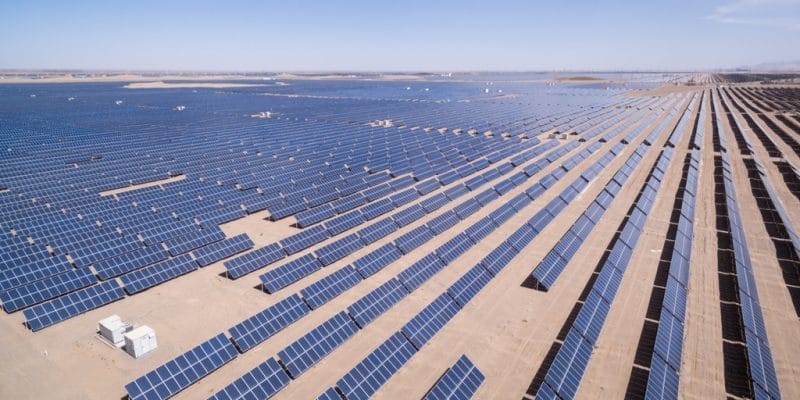
In the heart of Central Africa, Chad is making significant strides toward energy independence by developing its 5 MWp solar-hybrid power plant. This innovative renewable energy project represents a crucial step in addressing the nation’s electricity challenges while contributing to global sustainability goals. As one of the least electrified countries in the world, Chad’s investment in solar infrastructure signals a transformative approach to energy security and economic development.
Understanding Chad’s Energy Landscape
Chad, a landlocked nation in Central Africa, has historically faced severe energy challenges. With an electrification rate hovering around 11 percent, the majority of Chad’s population lacks access to reliable electricity. The capital city, N’Djamena, and other urban centers depend heavily on diesel generators, which are expensive, environmentally damaging, and unreliable. This energy deficit has hindered economic growth, limited healthcare services, and restricted educational opportunities across the country.
The 5MWp solar hybrid power plant emerges as a strategic solution to these longstanding challenges, combining solar photovoltaic technology with conventional power generation to create a more stable and sustainable energy supply.
What is a Solar Hybrid Power Plant?
A solar hybrid power plant integrates renewable solar energy with traditional power sources, typically diesel generators or grid electricity. This hybrid approach offers several advantages over standalone systems. During daylight hours, solar panels generate clean electricity, reducing fuel consumption and operational costs. When solar generation is insufficient—during cloudy weather or at night—the conventional backup system activates seamlessly to maintain the power supply.
The 5MWp (megawatt-peak) capacity refers to the maximum power output the solar installation can produce under ideal conditions. This capacity is sufficient to power thousands of homes, businesses, and critical infrastructure facilities, making a tangible difference in communities that have never experienced reliable electricity.
Key Features of Chad’s Solar Hybrid Project
The solar hybrid power plant in Chad incorporates cutting-edge technology designed for the harsh Sahel climate. The installation features high-efficiency photovoltaic panels capable of withstanding extreme temperatures and dust conditions common in the region. Advanced inverters convert the direct current generated by solar panels into alternating current suitable for the electrical grid.
Energy storage systems, including battery banks, help stabilize power output and extend electricity availability beyond sunlight hours. Smart grid technology enables efficient management of power distribution, automatically switching between solar and conventional sources based on demand and availability.
The hybrid configuration significantly reduces dependency on imported diesel fuel, which has been a major economic burden for Chad. By generating clean energy from the sun, the plant reduces carbon emissions while lowering electricity costs for consumers.
Economic Impact and Benefits
The economic implications of Chad’s 5MWp solar hybrid power plant extend far beyond electricity generation. The project creates employment opportunities during construction and ongoing operations, building local capacity in renewable energy technology. Skilled technicians receive training in solar system maintenance, creating a foundation for future renewable energy projects.
Reliable electricity access enables businesses to operate more efficiently, extending working hours and improving productivity. Small enterprises, particularly in manufacturing and services, benefit from a stable power supply that was previously unavailable. Healthcare facilities can refrigerate vaccines and medicines, while schools gain access to computers and internet connectivity, transforming educational outcomes.
The reduced reliance on diesel fuel also improves Chad’s trade balance, keeping financial resources within the country rather than spending on fossil fuel imports. These savings can be redirected toward other development priorities, multiplying the project’s economic benefits.
Environmental and Climate Considerations
Chad faces significant environmental challenges, including desertification, water scarcity, and climate change impacts. The solar hybrid power plant contributes to climate mitigation efforts by displacing diesel generation, which produces substantial greenhouse gas emissions. Each megawatt-hour of solar electricity generated prevents approximately one ton of carbon dioxide from entering the atmosphere.
The project aligns with international climate commitments and positions Chad as a participant in the global renewable energy transition. As a country highly vulnerable to climate change effects, Chad’s investment in clean energy demonstrates leadership in addressing environmental challenges while meeting development needs.
Solar energy represents a sustainable solution perfectly suited to Chad’s geographical advantages. The country receives abundant sunlight year-round, with solar irradiation levels among the highest in Africa. Harnessing this natural resource makes both economic and environmental sense.
Challenges and Solutions
Implementing renewable energy infrastructure in Chad presents unique challenges. The harsh climate, with extreme temperatures exceeding 45 degrees Celsius, demands robust equipment specifications. Dust storms can reduce solar panel efficiency, requiring regular maintenance protocols and specialized cleaning systems.
Limited technical expertise within the country necessitates partnerships with international renewable energy firms and capacity-building programs. Financing mechanisms, including development bank loans and international climate funds, support project implementation where domestic capital is insufficient.
Grid infrastructure requires significant upgrading to accommodate new generation capacity and ensure efficient distribution. The hybrid design addresses intermittency concerns that plague standalone solar installations, providing reliability essential for critical services.
Future Expansion and Vision
The 5MWp solar hybrid power plant represents just the beginning of Chad’s renewable energy journey. Government officials have expressed ambitions to expand solar capacity significantly over the coming decade, with plans for additional installations across different regions. These future projects will incorporate lessons learned from the initial plant, improving efficiency and reducing costs.
Regional energy cooperation offers opportunities for Chad to participate in cross-border electricity trade, potentially exporting surplus solar generation to neighboring countries. Such integration would enhance energy security across Central Africa while generating revenue for Chad.
The development of local renewable energy manufacturing capabilities could further reduce costs and create high-skilled employment. Training programs are establishing a new generation of solar technicians and engineers who will drive Chad’s energy transformation.
Conclusion
Chad’s 5MWp solar hybrid power plant stands as a beacon of progress in a nation historically challenged by energy poverty. This innovative project combines renewable technology with practical hybrid design to deliver reliable, affordable, and clean electricity. Beyond its immediate power generation capacity, the plant catalyzes economic development, environmental protection, and improved quality of life for Chad’s citizens.
As the project demonstrates viability and success, it paves the way for expanded renewable energy deployment throughout Chad and provides a model for other African nations facing similar energy challenges. The solar hybrid approach offers a pragmatic pathway toward sustainable development, proving that clean energy solutions can address the complex needs of developing economies while contributing to global climate action.
1 thought on “Chad’s 5MWp Solar Hybrid Power Plant: Powering Africa’s Energy Future”